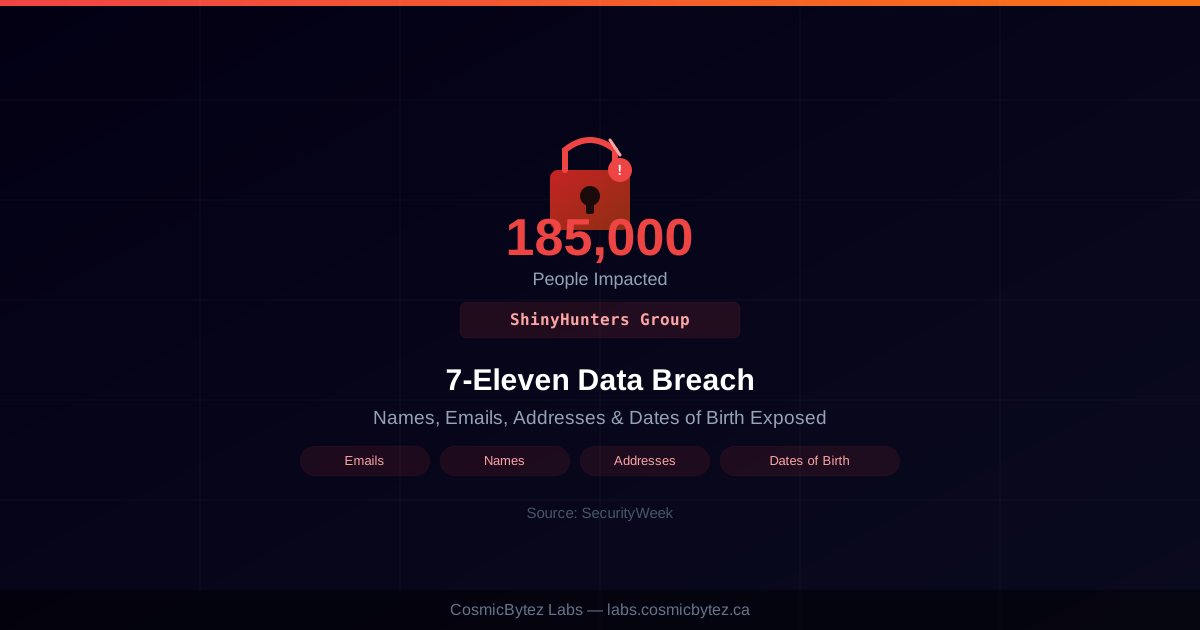
Convenience store giant 7-Eleven is the latest victim in a wave of retail sector data breaches claimed by the ShinyHunters threat group. Security researchers analyzing leaked data assess that approximately 185,000 individuals are likely impacted, with exposed records containing names, email addresses, home addresses, and dates of birth.
What Was Exposed
According to SecurityWeek's analysis of the leaked dataset, the stolen records include:
- Full names
- Email addresses
- Physical mailing addresses
- Dates of birth
While the breach does not appear to include payment card data or Social Security numbers based on available samples, the combination of name, email, date of birth, and home address is sufficient for identity theft, targeted phishing, and social engineering attacks.
ShinyHunters: Retail Targeting Pattern
ShinyHunters has established a consistent pattern of targeting consumer-facing retail and hospitality brands with large customer databases. The group is known for:
- Mass credential harvesting from exposed or poorly secured databases
- Extortion before publication — demanding ransom payments in exchange for not releasing stolen data
- Leak site operations — publishing stolen data on underground forums when victims do not pay
- High-profile brand selection — targeting recognizable names to maximize media coverage and extortion leverage
Previous ShinyHunters targets in the retail and service sector include 7-Eleven alongside companies like ADT, Medtronic, and multiple university learning platforms. The group's sustained activity against major consumer brands reflects both the profitability of this targeting strategy and the continued prevalence of exposed customer databases in the retail sector.
Impact Assessment
185,000 impacted individuals places this breach in the mid-tier range for retail sector incidents — significant but substantially smaller than some of ShinyHunters' earlier operations. The nature of the data exposed creates several downstream risks:
- Phishing campaigns — email addresses paired with full names and physical addresses enable highly personalized spear-phishing
- Credential stuffing — if victims reuse passwords, their email addresses from this breach can be tested against other services
- Identity fraud — date of birth combined with name and address meets the threshold for many identity verification systems
- Physical security risks — home address exposure in combination with other PII can enable targeted fraud or harassment
What Affected Individuals Should Do
If you have a 7-Eleven account or loyalty program membership, take the following steps regardless of whether you receive a notification:
- Change your 7-Eleven account password and enable multi-factor authentication if available
- Monitor your email for phishing attempts that reference your real name or address (a sign your data was in the breach)
- Place a fraud alert with major credit bureaus if you are concerned about identity theft
- Be wary of unexpected package deliveries or physical mail requesting personal information — scammers use address data from breaches for mail-based fraud
- Check HaveIBeenPwned for notifications related to your email address
7-Eleven has not yet issued a public statement confirming the breach or the number of affected individuals as of this writing.
Source: SecurityWeek