AI coding assistants are generating dependencies faster than human security review processes can vet them — and the numbers behind that gap are alarming. A new analysis published by ActiveState's head of product highlights a structural mismatch: open-source ecosystems were built for human-paced contribution and review, and AI-assisted development has shattered that assumption entirely.
The Numbers That Define the Problem
The gap between adoption and controls is stark:
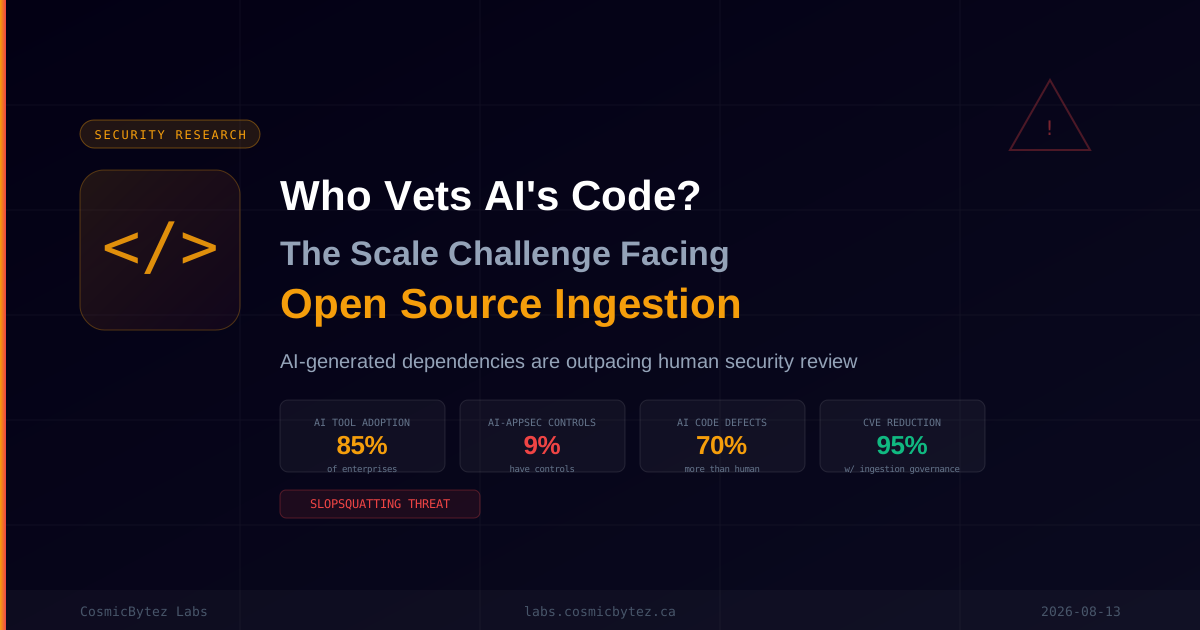
- 85% of enterprises now use AI coding assistants
- Only 9% have deployed dedicated AI-specific application security controls
- AI-co-authored code contains 70% more defects than human-authored code (CodeRabbit study)
- Nearly half of AI-suggested dependencies contain known CVEs or outdated releases (USENIX Security, 500,000+ code samples)
- Governed dependency ingestion at the point of selection can reduce CVE exposure by approximately 95%
Slopsquatting: The Attack Vector AI Created
When AI models hallucinate package names that don't exist in registries like npm or PyPI, attackers can register malicious packages under those invented names before developers catch the error. This "slopsquatting" attack vector barely existed at pre-AI development speeds — it's a threat category that AI adoption directly manufactured.
A real-world case from early 2026 illustrates the velocity problem: a single hallucinated npm package name originating from 47 AI-generated agent skills propagated to over 230 repositories before a human detected it. Traditional scanning never fired — the package didn't match known malicious signatures because it was newly registered and benign-looking by design.
Major Projects Under Pressure
Large maintainer-bandwidth projects are feeling the strain of AI-assisted contribution volumes. Kubernetes, the Linux Kernel, LLVM, and Godot are specifically cited as ecosystems facing pressure as AI-co-authored pull requests arrive faster than human reviewers can process them. PyPI and npm remain the registries most exposed to slopsquatting due to low registration barriers.
Post-Commit Scanning Is Too Late
The core argument is architectural: traditional SCA and SAST tools fire after the dependency is already in the tree and often already running. The proposed solution is ingestion governance at the point of selection — policy-gated dependency intake that evaluates packages before they enter the pipeline, not after.
With only 38% of organizations using AI-assisted pull request review, and most AppSec tooling predating AI's failure modes entirely, the industry is running a significant lag. AI coding assistants don't just write faster code — they introduce a category of risk (hallucinated packages, CVE-laden suggestions) that the existing security toolchain wasn't designed to catch.
The question isn't whether your developers are using AI. At 85% adoption, the answer is almost certainly yes. The question is whether your security controls were built knowing that.