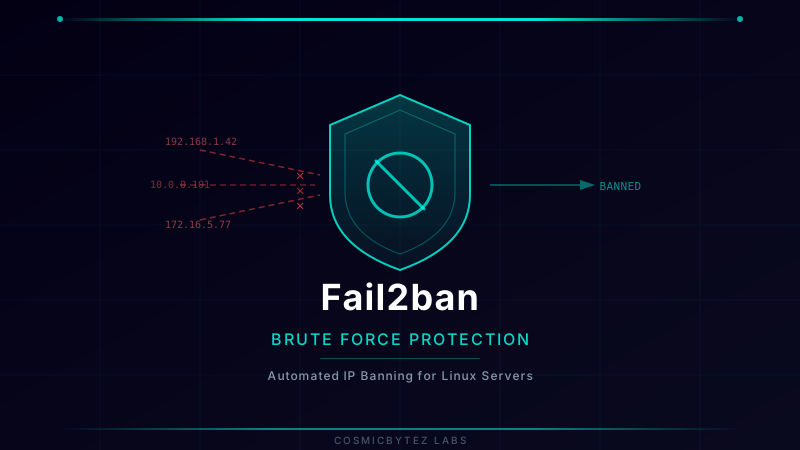
Fail2ban: Automated Brute Force Protection for Linux Servers
Deploy Fail2ban to automatically ban IPs hammering your SSH and web services. Covers installation, jail configuration, custom filters, and monitoring active bans.
Step-by-step guides for IT professionals and enthusiasts
Difficulty Levels:
Deploy Fail2ban to automatically ban IPs hammering your SSH and web services. Covers installation, jail configuration, custom filters, and monitoring active bans.
Deploy and tune the Linux Audit Framework (auditd) to capture privileged operations, file access, and authentication events — building a tamper-resistant...
Set up OpenCanary honeypot services on a Raspberry Pi or VM to detect lateral movement, credential stuffing, and unauthorized access before attackers...
A practical, step-by-step guide to hardening Docker deployments — from non-root users and read-only filesystems to capability drops, resource limits, and...
A composite case study of a typical 2026 ransomware incident hitting a Canadian agricultural business — from the first phishing email through full encryption…
Use SQL to query your endpoints like a database. Deploy osquery across Linux and Windows hosts to surface process trees, network connections, user activity…
Endpoint Detection and Response is the single most important cybersecurity upgrade most Canadian SMBs can make in 2026. Here's what EDR actually does…
Deploy Velociraptor for endpoint visibility, run fleet-wide hunts, collect forensic artifacts, and accelerate incident response with VQL queries.
Small accounting firms in rural Alberta have become primary ransomware targets in 2025–2026. The reasons are structural: high-value data, weak security…